
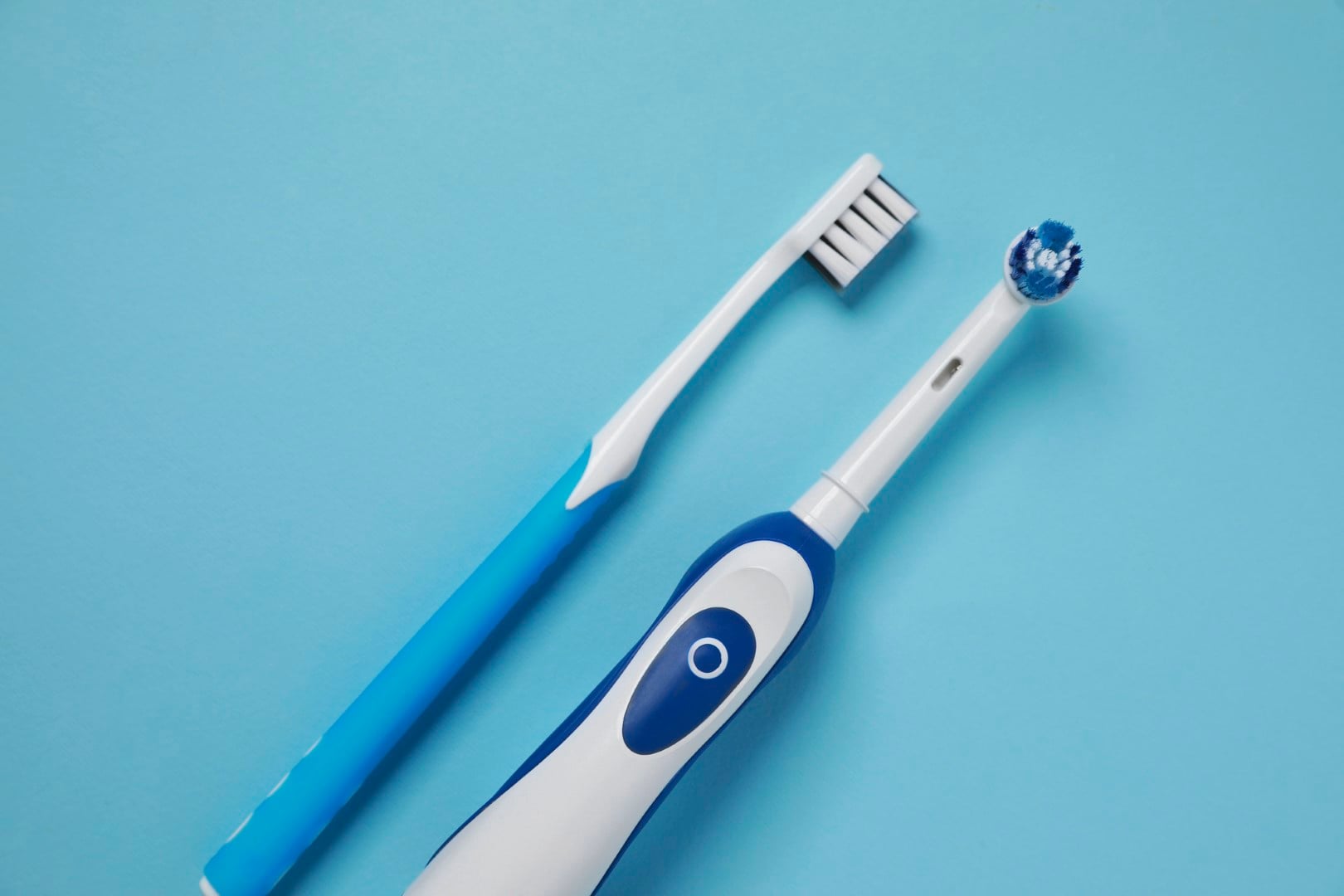
Whether you own an electric toothbrush or a manual one, a toothbrush is an important tool that you (hopefully) use twice a day. Brushing your teeth prevents gum disease, fights bad breath by removing bacteria, removes food and plaque build-up that can lead to cavities, and improves your overall oral health. With advancing dental technology, there are more and more kinds of powered toothbrushes available today. Knowing which toothbrush is best for you can be tricky, and you might wonder if an electric toothbrush is really that much more effective than a manual one.
Electric toothbrushes are proven to be more effective at plaque removal, scrubbing away bacteria, and improving gum health. Its ability to reach all areas of the tooth and move rapidly makes the electric toothbrush superior for cleaning your teeth. With special features frequently being added to these powered brushes, they have become a popular choice for many. However, an electric toothbrush isn’t the right option for everyone. Learn about the pros and cons of the different kinds of toothbrushes to discover which one is best for you!
The Manual Toothbrush
Tried and true, some people prefer a manual toothbrush over an electric one for a few good reasons.
Pros:
- Easy to Use: When using a manual toothbrush, you don’t have to worry about any buttons, batteries, or finding the right brush head. Just add toothpaste and water, then you’re good to go!
- Less Expensive: With many cost-friendly options to choose from, manual brushes are cheaper and more affordable.
- Portable: Lightweight, simple to pack, and easily replaceable, manual toothbrushes are great to travel with.
The manual toothbrush may be a reliable constant, but it does have its downsides as well.
Cons:
- Less Effective: Manual toothbrushes are less effective at cleaning plaque off the surface of your teeth and gums.
- Relies on Technique: A manual brush relies on the user’s technique, requiring precise circular control, attention to each area of the tooth’s surface, and care around the gums.
- Abrasive: Because it is harder to mimic the effective, quick, and small vibrations of an electric toothbrush, people often end up manually brushing their teeth with too much force, damaging their teeth and gums.
The Electric Toothbrush
With our ever-advancing technology, electric toothbrushes continue to evolve, gaining new and useful components.
Types of Electric Toothbrushes:
- Ossillating/Rotating Toothbrush: This brush has rounded heads that will rotate and pulse back and forth, moving quickly to scrub away bacteria and food particles.
- Sonic Brush Toothbrush: The sonic toothbrush vibrates at high frequencies, breaking up plaque as you brush your teeth.
- Ionic Toothbrush: This toothbrush releases negative ions into your saliva that weaken the magnetic bond connecting plaque to your teeth for easy removal. This toothbrush requires you to accurately touch a moistened hand to a small metal band on its handle that allows you to alter the electrical charge of your saliva.
These electric toothbrushes have many advantages that can help you keep your teeth and gums healthy.
Pros:
- Superior Clean: Electric toothbrushes are more effective at cleaning your teeth and gums, with a swift motion and vibration to help you remove plaque, bacteria, and food from all areas of your mouth.
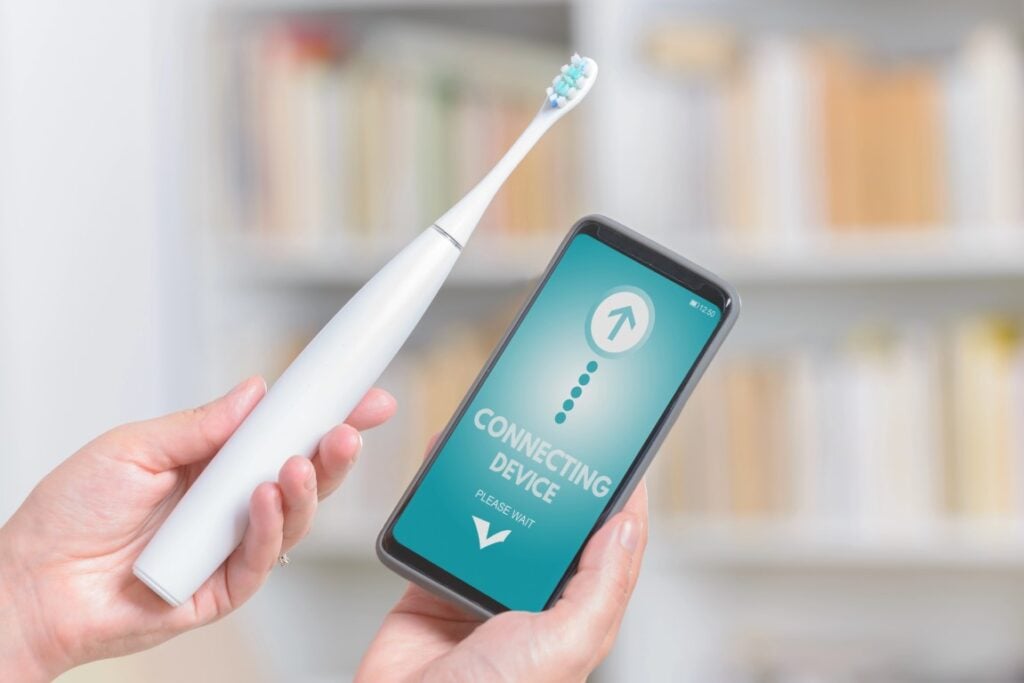
- Unique Features: Today, electric brushes offer specialized features such as timers to keep track of how long you brush each side of your teeth, brushing modes with different levels of intensity, light signals to remind you when to replace your brush head, pressure sensors that warn you if you are brushing too hard, and even a Bluetooth connection to apps that help you monitor your brushing technique.
- Accessible Use: Because an electric toothbrush does the brushing for you, these brushes can make brushing easier for those with dexterity or mobility limitations, and help to ease your morning and evening dental hygiene routines.
Even though an electric toothbrush has many beneficial and advanced cleaning features, it might not be for everyone.
Cons:
- Cost: Electric brushes are more expensive than manual toothbrushes and require additional costs for replacing brush heads, batteries, or charging ports.
- Requires Power: Because electric toothbrushes require electricity to work, they become inconvenient when needing to be recharged during travel, or after losing a charging cable.
- Possible Overstimulation: For some people, using an electric brush is uncomfortable and overstimulating. The heavy vibration on the teeth can be an overwhelming sensation for people with sensory issues or sensitive mouths.
The Most Important Things to Consider When Brushing
Although the kind of toothbrush you use can be a game-changer for your teeth, the most important factor when it comes to your oral health is HOW you use your toothbrush.
- Brush for two minutes twice a day!
- Replace your toothbrush, or brush head, every 3-4 months.
- Brush all sides of your teeth, around your gums, and the top of your tongue.
- Use a brush with soft bristles and refrain from brushing too hard to prevent damaging your enamel or harming your gums.

Trust VIP Smiles For Teeth Cleaning and Dental Care
At VIP Smiles, our dental professionals work hard to help you keep your smile happy and healthy. Avoid tooth decay and gum disease by scheduling regular dental examinations and cleanings with the dental experts at our office. Contact us to make an appointment and learn more about managing your oral health today!


