

Jaw clicking and popping are common symptoms that many people dismiss. And while occasional, painless clicking may not indicate a serious problem, persistent or painful popping shouldn’t be ignored. It could indicate a problem with your temporomandibular joint (TMJ), which can interfere with your ability to open, close, and move your jaw.
At VIP Smiles, we understand that your oral health involves more than just your teeth and gums — your jaw plays a crucial role, as well, which means that TMJ disorders can have a big impact on your smile.
If you’ve noticed clicking or popping sounds when opening or closing your mouth, keep reading to learn what causes this, how to determine whether it’s a problem, and how the team at VIP Smiles can help you find relief.
What Causes Jaw Clicking or Popping?
Jaw clicking and popping can occur when the temporomandibular joint isn’t functioning correctly. The exact cause of these symptoms can vary from person to person. Common possibilities include:
- Displacement of the joint’s small cartilage disc
- Changes or inflammation within the joint
- Teeth grinding or clenching
- Jaw injury or trauma
- Arthritis
- Muscle tension
- Bite or alignment issues
Teeth grinding is an especially common cause of TMJ symptoms like jaw clicking or popping. When you unconsciously grind your teeth at night, you place significant stress on your teeth and jaw. This wears down your teeth and irritates your temporomandibular joint, leading to morning jaw soreness, headaches, and tooth sensitivity.
If your TMJ issues are caused by bruxism, a custom night guard can help protect your teeth and reduce strain on your jaw.

Signs Your Jaw Clicking May Need Attention
Jaw clicking isn’t always a problem. If it’s not painful or accompanied by other symptoms, it’s likely harmless. However, you should still monitor it to see if it happens more often or becomes uncomfortable. If jaw clicking is accompanied by pain or changes in function, it should be evaluated by a dentist or another medical professional.
Be on the lookout for these signs that your jaw clicking may need attention:
- Jaw pain or tenderness: Watch for pain around the jaw joint, cheeks, temples, or ears, especially when chewing or opening your mouth.
- Difficulty opening or closing your mouth: If you feel like your jaw is feeling stiff or restricted, have difficulty opening your mouth fully, or your jaw gets temporarily stuck or locked, it’s a good indication of TMJ dysfunction.
- Changes in your bite: TMJ issues can cause your teeth to no longer come together the way they normally do, making it feel like your bite has shifted.
- Frequent headaches or facial pain: Jaw muscle tension can contribute to headaches, specifically around the temples, forehead, or face. Recurring symptoms may warrant an evaluation.
- Ear-related symptoms: Ear pain or pressure can occur, as well, along with ringing in the ears.
- Jaw locking or catching: Limited jaw movement — such as catching or locking — should not be ignored and needs to be promptly evaluated.
If left untreated, TMJ problems like jaw clicking or popping can become worse, leading to increasing jaw pain or stiffness, greater difficulty chewing or opening the mouth, increased muscle tension in the face, and tooth wear from grinding or clenching. Depending on the underlying cause, you could also experience worsening joint damage. Early evaluation is key to identifying contributing factors before symptoms become more uncomfortable and disruptive.
How a Dentist Evaluates Jaw Clicking
When you talk to your dentist about your jaw clicking or popping, they’ll review your symptoms and medical/dental history with you and examine your jaw movement, listening for clicking, popping, or grinding sounds. They’ll also check your bite and teeth for signs of grinding, evaluate your jaw muscles for tenderness, and, when necessary, perform dental imaging like X-rays or 3D scans. This process helps them determine the cause of your TMJ issues and whether treatment is necessary.
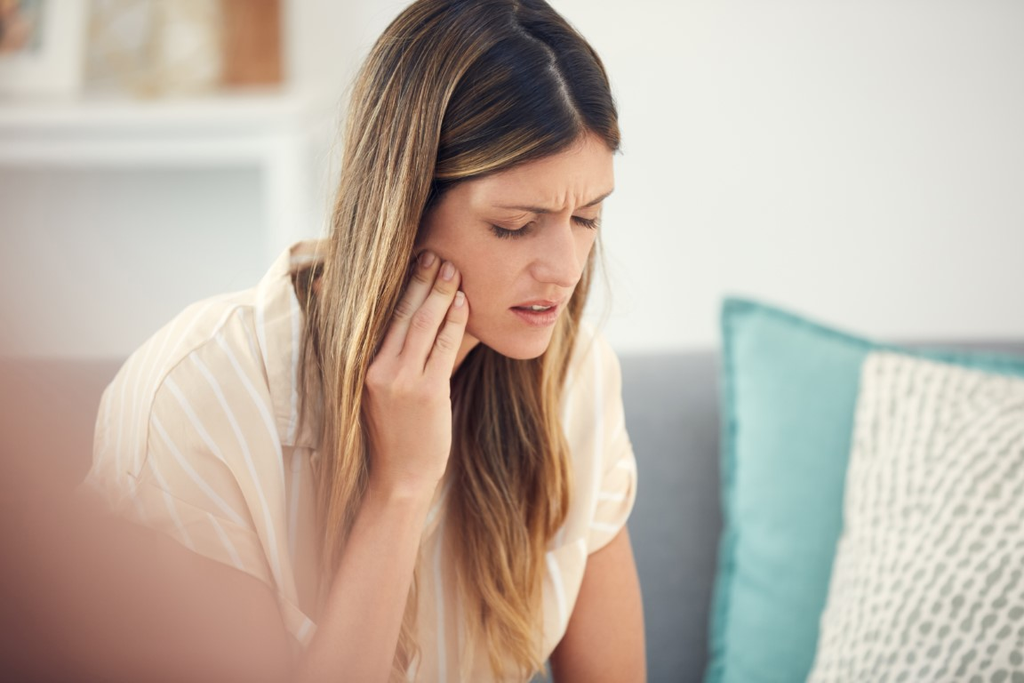
Treatment Options for Jaw Clicking and TMJ Problems
The treatment for your jaw clicking and TMJ problems depends on the underlying cause. Your dentist may advise you to eat softer foods temporarily, avoid excessive chewing or wide jaw movements, utilize stress reduction and jaw relaxation techniques, apply warm or cold compresses, or perform physical therapy or jaw exercises. Your dentist may also recommend a custom night guard to help prevent teeth grinding.
Depending on the underlying cause, you may also need to coordinate your care with a TMJ specialist or other medical practitioner.
Restore Your Smile with VIP Smiles
If your jaw clicking or popping is related to bruxism, the team at VIP Smiles can help restore your worn-down teeth and prevent further damage with a custom mouth guard. With our help, you can protect your long-term comfort, jaw function, and oral health. Contact us today to schedule your appointment!


