
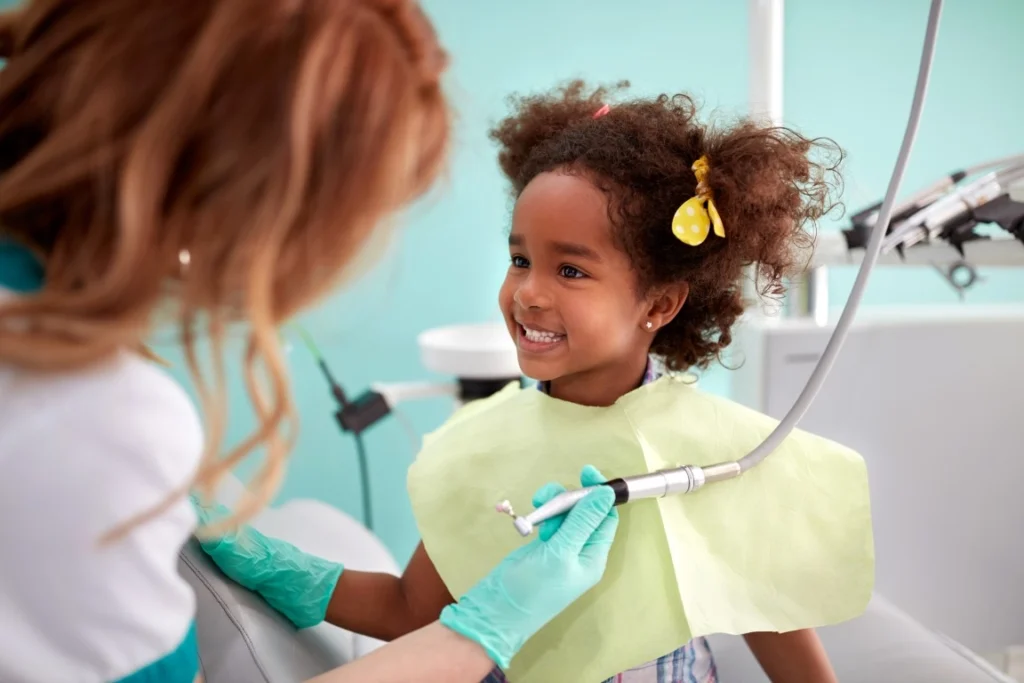
Your child’s first orthodontic evaluation is an important milestone for protecting their long-term oral health. This visit is typically focused on assessing your child’s growth and development and identifying any potential concerns before they become more complex — it’s not about immediately recommending orthodontic solutions like braces.
If you’re unsure about when to schedule your child’s orthodontic evaluation or what will happen during the appointment, keep reading to learn why early evaluations matter, what you can expect from the appointment, some possible recommendations the orthodontist might have, and some ways you can support your child’s development at home.
Why Early Orthodontic Evaluations Matter
The American Association of Orthodontists recommends that children have their first orthodontic evaluation around the age of 7. At this age, children have both baby teeth and permanent teeth, allowing the orthodontist to see how they’re developing. This is also the ideal age to check jaw growth and bite development for potential issues.
Just because your child is being seen by an orthodontist doesn’t mean they’ll need braces immediately. Most of the time, children are simply monitored as they continue to grow. This monitoring helps orthodontists determine the ideal time for future treatment down the line.
The benefits of early orthodontic monitoring include:
- Identifying potential problems before they worsen
- Potentially reducing the need for more extensive treatment later
- Helping improve bite function and chewing
- Supporting proper speech development
- Encouraging healthy jaw growth

What Happens During the First Orthodontic Evaluation
During your child’s first orthodontic evaluation, the orthodontic professional will review your child’s medical and dental history, including medical conditions, medications, previous dental treatments, and whether there’s a family history of orthodontic issues.
Next, they’ll perform a comprehensive oral examination to evaluate your child’s tooth alignment, jaw growth, bite, facial symmetry, tooth eruption patterns, and whether there’s any issues with spacing or crowding. They’ll also take digital X-rays to evaluate the tooth roots beneath the gums, developing permanent teeth, and jawbone structure.
The goal of this examination is to identify potential problems such as:
- An overbite, underbite, crossbite, open bite, or deep bite
- Tooth alignment concerns (crowding, excess spacing, rotated or impacted teeth, missing or extra teeth)
- Jaw development issues, including uneven jaw growth or a narrow upper jaw
- Habits that affect development, such as thumb sucking, prolonged pacifier use, tongue thrusting, or mouth breathing
Possible Recommendations After the Evaluation
After the examination, your child’s orthodontist may decide that no treatment is needed, at least for now. Many children can simply continue with their routine dental care while receiving periodic orthodontic checkups to monitor their development.
In some cases, the orthodontist will recommend future treatment, such as braces or clear aligners, once more permanent teeth have erupted. By knowing early that your child will need orthodontic treatment, you can plan ahead for the future.
Some children benefit from early orthodontic intervention. Your child’s orthodontist may recommend immediate treatment to guide jaw growth, correct harmful bite problems, create space for permanent teeth, and reduce the risk of further complications. By addressing these issues early, you can set your child’s smile up for success and help them avoid larger problems in the future.
Questions Parents Should Ask During the Appointment
This orthodontic evaluation is a valuable opportunity for you to discuss your concerns, get answers to all your questions, and take an active role in your child’s oral development. Here are some questions you may want to ask during the appointment:
- Is my child’s smile progressing normally?
- Are there any bite concerns?
- Will they likely need orthodontic treatment in the future?
- Will early treatment improve future outcomes?
- What happens if treatment is delayed?
- How often should we schedule follow-up evaluations?
- What treatment options may be available later?
- How long might future treatment last?
- Are there steps we can take at home to encourage healthy development?
How Parents Can Support Healthy Dental Development
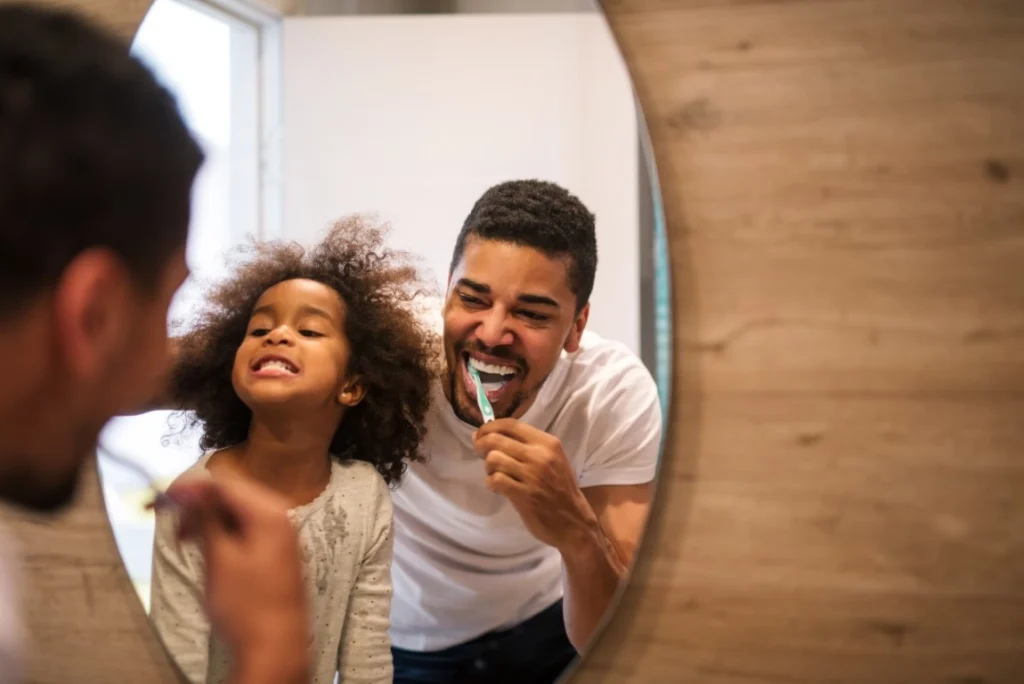
One of the most important things you can do to help your child’s smile develop properly is to encourage them to maintain their oral hygiene. Make sure they brush and floss consistently and attend their dental cleanings and exams every six months.
Address any destructive habits that can interfere with jaw and tooth development, such as thumb sucking, grinding, and mouth breathing. Encourage your child to eat a balanced diet, as well, and limit sugary snacks and drinks that can lead to cavities.
Finally, if your child plays sports, get them a mouthguard to protect their developing teeth. Preventing dental injuries helps support healthy tooth alignment.
Schedule Your Orthodontic Evaluation with VIP Smiles
If your child is around the age of seven, contact VIP Smiles today to schedule their first orthodontic evaluation! We’ll help ensure any orthodontic issues are addressed at the right time and guide your child on the path toward lifelong oral health.


